


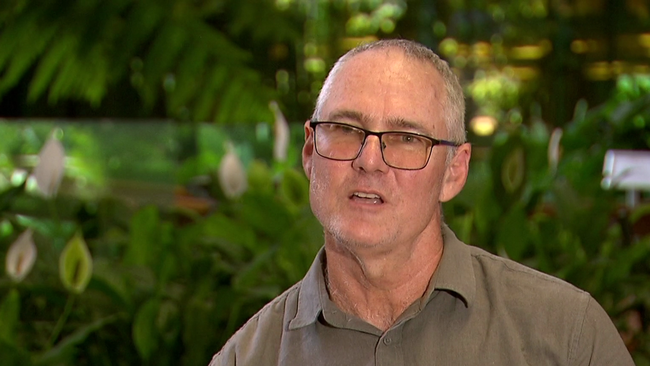

An Australian-first trial is offering new hope for those with Parkinson’s disease, using donated stem cells to try to slow the progression of symptoms.
The Next Generation study builds on 20 years of research, aiming to regenerate brain cells lost to the disease.
WATCH THE VIDEO ABOVE: Stem cell trial offers new hope for Parkinson’s patients
Know the news with the 7NEWS app: Download today
For a decade, Brett Smith battled health issues he’d hoped were just signs of getting older.
“When he saw my shakes, he goes, no mate, you’ve got Parkinson’s,” Smith said.
“Hit as though it’s a life sentence because, you know, there is no cure.”


Now the Australian-first trial will attempt the next best thing, slowing the disease progression by surgically implanting dopamine-producing cells into the brain, which are gradually lost with Parkinson’s.
“What we’re hopeful to achieve is to be able to regenerate dopamine-producing cells in the brain,” Associate Professor Alex Lehn from the Translational Research Institute said.
Fifteen Australians will join a cohort of patients from the US and Canada. Half will receive a placebo, with the five-year trial hoping to see signs of improvement after the first 18 months.
“Reduction in tremors, so less uncontrollable shaking, or better ability to move,” Lehn said.
“If it can help with the physical issues, that for me is like an 80 per cent win,” Smith said.


Parkinson’s is considered the fastest-growing neurological condition in the world, with around 50 Australians diagnosed every day.
For families, the full impact on loved ones is hard to comprehend.
“Day by day, you adjust to what the disease brings,” Smith’s wife Susan said.
The father of two says the effectiveness of current medication fades as it wears off.
A former engineer, he’s now making his own body the project.
“Help researchers have some raw material and develop a good outcome for society and hopefully myself,” Smith said.

